Wood Staining in Worcester, MA
Decks, fences, railings and porches outside. Trim, doors and stairs inside. Cleaned, sanded and stained for even color, then sealed for New England weather.
Stain or paint?
Paint sits on top of the wood and hides it. Stain soaks in and colors the wood while letting the grain show through. When the wood is worth looking at, stain is the right call. Because it does not form a thick film, stain needs different prep and a different kind of protection on top.

Outdoor wood staining
Outdoor wood in central Massachusetts goes through rain, snow, ice and summer sun, often in the same year. Unprotected wood grays, checks and splits, and old stain wears unevenly on the boards that see the most foot traffic and sun.
- Decks. Boards, rails, stairs and skirting, cleaned and brightened, sanded where needed, and stained with a product rated for walking surfaces.
- Fences. Both sides where you have access, with stain worked into the end grain and post tops where water gets in first.
- Porches and railings. Floors, balusters, handrails and steps on the porches common on older Worcester County homes.
- Pergolas, sheds and exterior doors. Any wood surface that should show its grain.
Interior wood staining
- Trim and doors. Casings, baseboards and doors restained to match, or refinished to a new color.
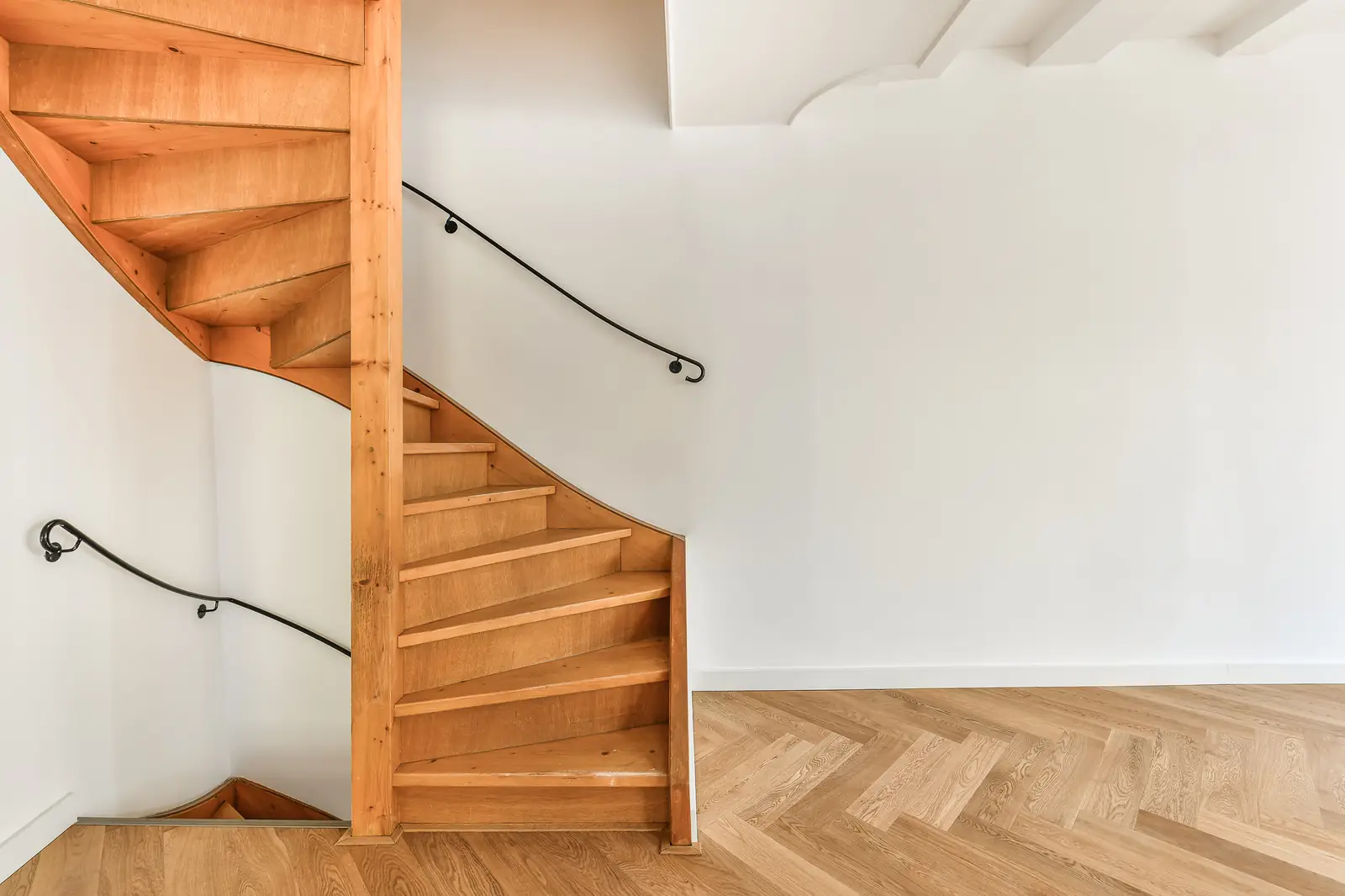
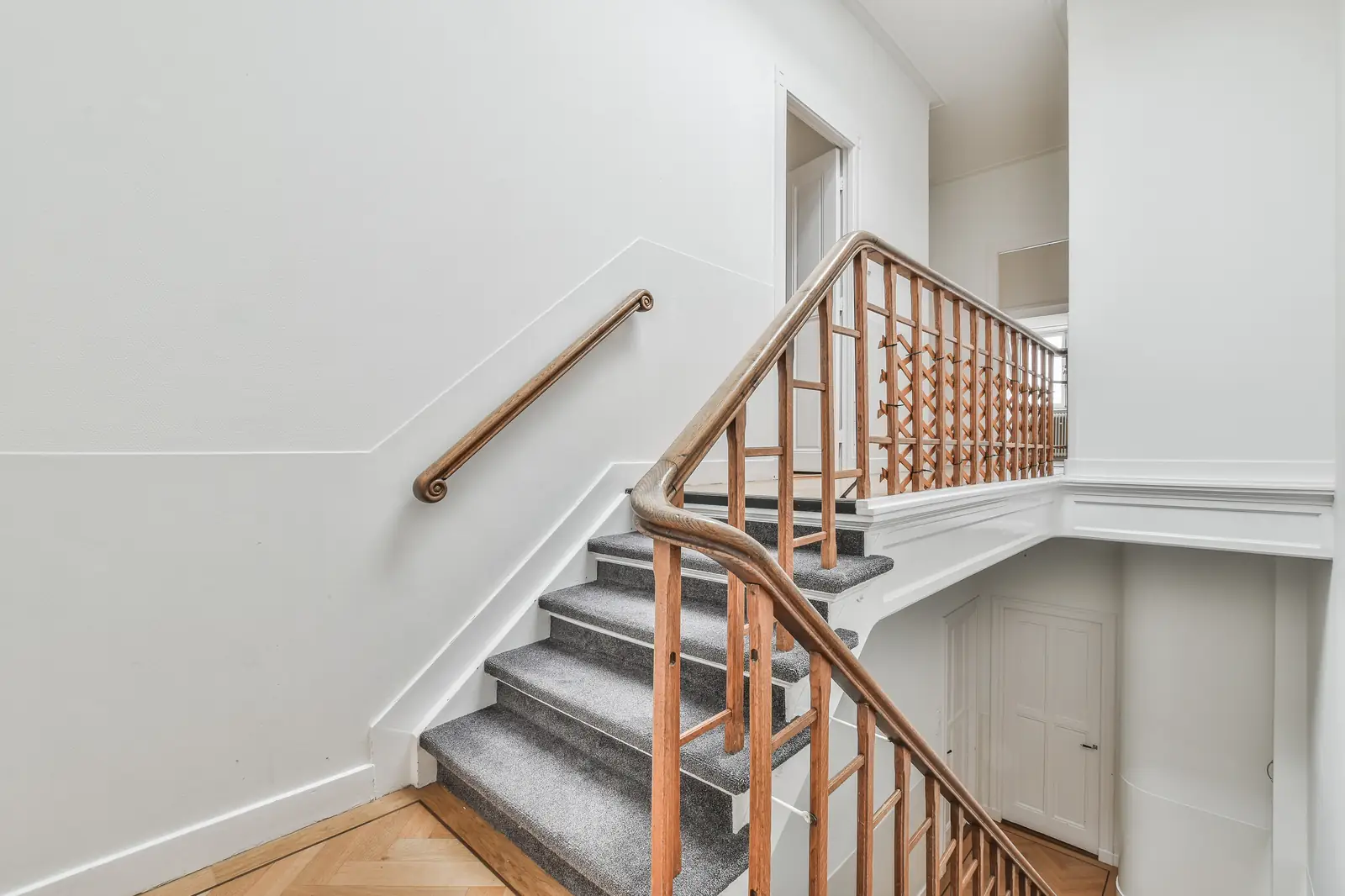
- Stairs and railings. Treads, handrails and balusters, with a hard-wearing topcoat where hands and feet wear the finish.
- Built-ins and paneling. Bookcases, wainscoting and woodwork in older homes.
Even color starts with the prep
- Clean and strip. Dirt, mildew, gray weathered fibers and failing old finish come off first. Stain cannot soak into wood that is sealed under an old coat.
- Sand. An even sanding gives an even color. Rough patches absorb more stain and show up darker.
- Condition soft woods. Pine and other soft woods soak up stain unevenly and go blotchy. A conditioner first keeps the color consistent.
- Test the color. The same stain looks different on different wood, so we test it on yours before committing to the whole job.
Sealed for the conditions it lives in
Stain gives color. A sealer or topcoat gives protection from moisture, wear and sun. Decks and porch floors need a finish made for foot traffic, fences and railings need protection from water and UV, and interior wood that gets handled every day needs a hard-wearing clear coat. We match the product to the surface and tell you what upkeep to expect.
When to book
Outdoor staining follows the same weather rules as exterior paint: dry wood, dry days, and temperatures in the product's range, which here means roughly May to October. Wood that has just been through a wet spell needs time to dry out first. Interior staining runs all year.
Mention it when you request your free estimate. If it applies to your project, it appears on your written estimate before any work begins. Offer terms.
Workmanship guarantee included. If our work does not hold up to the standard we promised, we come back and make it right. Details.
Wood staining questions
How often should a deck be restained?
It depends on sun, foot traffic and the product used. Horizontal surfaces wear fastest. When water stops beading and the color looks dull or patchy, it is time.
Can you stain wood that is already painted?
Not directly. Stain has to soak into bare wood, so painted wood has to be stripped first. Sometimes that is worth it and sometimes repainting is the better choice. We will tell you which at the estimate.
Can you go lighter than the current stain?
Going darker is easy. Going lighter usually means stripping and sanding back to bare wood first.
Tell us about the job
Send a few details and we will set a time to look at it in person. Prefer to talk? The phone is answered 24 hours a day, 7 days a week.
Ask about 10% off any job over $2,500. Confirmed on your written estimate.